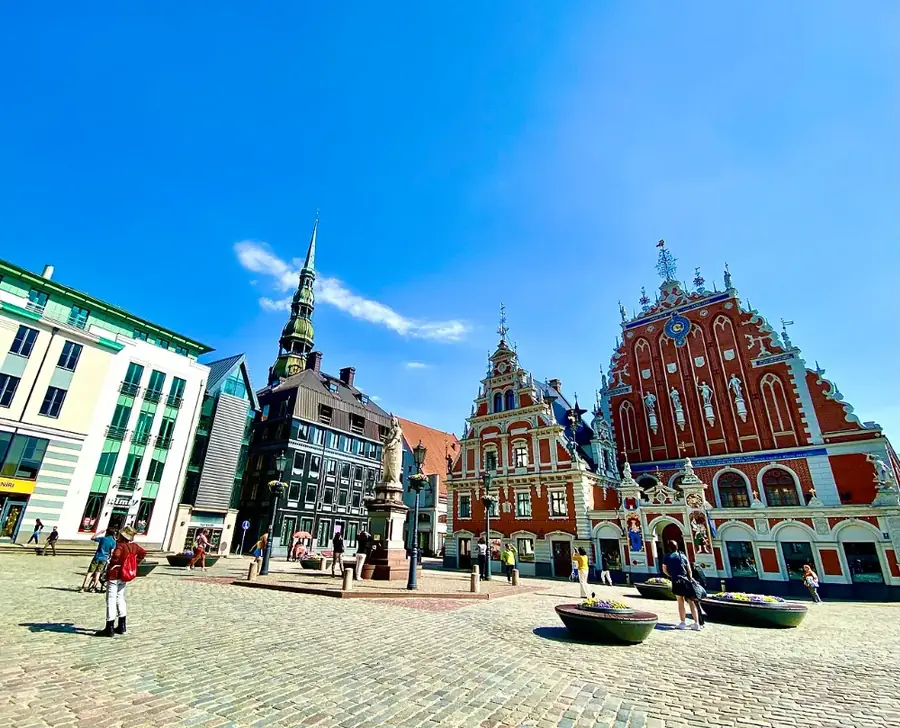
 Crypto licence in Latvia
Overview
Latvia adopted its Law on Crypto-asset Services in June 2024, designating Latvijas Banka as the MiCA competent authority. Before MiCA, crypto providers were registered with the State Revenue Service for AML purposes. Latvijas Banka began accepting MiCA applications on 2 January 2025, and Latvia allowed only a six-month transitional period for previously registered providers, which expired on 30 June 2025.
Since then Latvijas Banka's Supervision Committee has granted a growing number of CASP licences, ranging from single-service transfer and exchange models to full-stack businesses combining custody, a trading platform, exchange, placing and transfer services. Several applicants have obtained a CASP licence together with a payment institution or electronic money licence, allowing an integrated fiat and crypto offering under one supervisor.
Latvijas Banka publishes licensing guides describing the documents, process and review deadlines, maintains a crypto-asset classification overview, and runs an Innovation Hub for pre-licensing consultations. That transparency makes the process more predictable than in many Member States, though the bank applies firm expectations on AML, sanctions compliance and the substance of the Latvian entity.
The national law also gives Latvijas Banka powers to set reporting rules, operating requirements and knowledge standards for staff giving advice on crypto-assets, and provides for sanctions ranging from warnings and fines to management bans and withdrawal of authorisation.
Key benefits
- Supervision by the central bank, which also licenses payment and e-money institutions
- Option to combine CASP authorisation with a payment or EMI licence
- Published licensing guides and Innovation Hub pre-filing dialogue
- Modest application fee and proportionate supervisory charges
- Single EU licence passportable to all Member States
- Cost-efficient eurozone base with an experienced fintech workforce
Requirements
- Latvian legal person with place of effective management in the EU and at least one EU-resident director
- Minimum capital or prudential safeguards per MiCA Article 67
- Fit-and-proper management body and qualifying shareholders
- Programme of operations, business plan and financial projections
- AML/CFT and sanctions framework meeting Latvian law and Latvijas Banka expectations
- Travel Rule compliance under Regulation (EU) 2023/1113
- Custody and client-asset segregation for Class 2 and Class 3 services
- ICT security and operational resilience consistent with DORA
- Wind-down plan, complaints handling and conflicts-of-interest policy
Licence options & capital
Class 1 CASP
EUR 50,000 minimum capital
Reception and transmission of orders, execution of orders on behalf of clients, placing of crypto-assets, transfer services, advice and portfolio management. Suitable for transfer, brokerage and advisory models.
Class 2 CASP
EUR 125,000 minimum capital
Any Class 1 service plus custody and administration of crypto-assets for clients and exchange of crypto-assets for funds or for other crypto-assets.
Class 3 CASP
EUR 150,000 minimum capital
Any Class 2 service plus operation of a trading platform for crypto-assets. Prudential safeguards must equal the higher of the fixed amount or one quarter of the previous year's fixed overheads.
Step-by-step process
- 1
Innovation Hub consultation
Optionally present the business model to Latvijas Banka before filing to clarify classification and expectations.
- 2
Corporate set-up
Establish the Latvian company, appoint the management board and key function holders, and secure premises and banking.
- 3
Application file
Prepare the MiCA application in line with Latvijas Banka's licensing guide, with policies and business plan.
- 4
Filing and completeness
Submit the application and pay the EUR 2,500 fee; completeness is checked within 25 working days.
- 5
Assessment
Latvijas Banka assesses the complete file within 40 working days, subject to one suspension for additional information.
- 6
Licence and passporting
The Supervision Committee grants the licence; the firm may then notify cross-border services across the EU.
Typical documents
- Articles of association and Enterprise Register extract
- Programme of operations and business plan with three-year projections
- Evidence of capital or prudential safeguards
- Fit-and-proper questionnaires, CVs and criminal record certificates
- Shareholder and beneficial owner information with source-of-funds evidence
- AML/CFT and sanctions compliance policies and risk assessment
- ICT security, outsourcing and business continuity policies
- Custody and safeguarding policy
- Wind-down plan and complaints procedure
How Legal Wealth helps

Legal Wealth prepares Latvian applications in line with Latvijas Banka's published guidance and can coordinate a combined CASP and payment or e-money licensing strategy where an integrated fiat offering is planned. We manage the corporate set-up, governance and AML framework discreetly, and align the project with the shareholders' wider structuring and, where relevant, Latvian residence planning.
Enquire with Legal WealthFrequently asked questions
When did Latvia's transitional period end?
On 30 June 2025. Latvia granted only six months of grandfathering after MiCA began applying, so the market has required MiCA authorisation since mid-2025.
What does the application cost?
The Latvijas Banka application review fee is EUR 2,500 for applicants not already supervised by it. Annual supervisory charges are set under the national law and depend on the provider's crypto-asset service revenues.
Can I hold a payment licence as well?
Yes. Latvijas Banka has granted CASP licences alongside payment institution and e-money licences, allowing combined fiat and crypto services.
Is a pre-application meeting possible?
Yes. Latvijas Banka's Innovation Hub offers consultations before filing, which help clarify classification and the bank's expectations.
Can a Latvian CASP serve the whole EU?
Yes. After authorisation, a cross-border notification through Latvijas Banka allows services in other Member States.
Last reviewed: 2026-10. Requirements, fees and timelines change. Information is general, reviewed on the date shown, and is not legal or tax advice.