
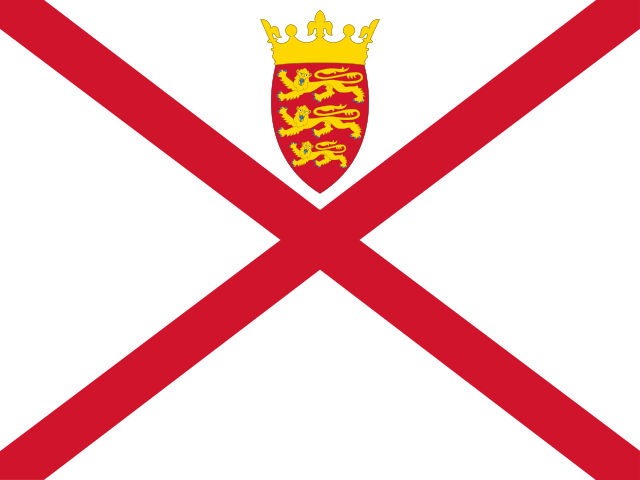
 High Value Residency in Jersey
Overview
Jersey is a self-governing Crown Dependency with its own tax system, legislature and courts, outside both the United Kingdom and the European Union. Access to housing is controlled by law, and newcomers who are not otherwise qualified can only buy property if they receive Entitled status. The High Value Residency route, granted under Regulation 2(1)(e), allows the island to admit individuals who make a significant economic and social contribution, chiefly through tax.
Under the current version of the scheme, new high value residents pay income tax at the standard 20% rate on worldwide income up to £1.25 million and at 1% on income above that level, producing a minimum annual tax contribution of £250,000. The States Assembly raised the minimum from £170,000 for new arrivals; existing residents remain on the terms agreed when they were admitted. Applicants are formally expected to have a net worth of at least £10 million excluding their home, and the minimum property purchase price is £3.5 million for a house or £1.75 million for an apartment.
Jersey levies no capital gains tax, no inheritance tax, no wealth tax and no VAT, although a goods and services tax applies and stamp duty is payable on property purchases. This combination, the island's proximity to London and its established trust and private-wealth industry have made the scheme increasingly popular: the government accepted 36 applications in 2025, with more in process, as UK reforms to the taxation of non-domiciled individuals prompted families to review their options.
High Value Residency is a housing and tax status, not an immigration permission. British and Irish citizens may live in Jersey freely within the Common Travel Area, while other nationals need separate permission under Jersey's immigration rules, which broadly follow those of the United Kingdom. Long-term residence in Jersey can count towards British naturalisation, subject to UK nationality law.
Key benefits
- Effective tax cap: 1% on income above £1.25 million once the £250,000 minimum is met
- No capital gains, inheritance, wealth or general sales tax beyond Jersey's goods and services tax
- Entitled housing status allowing purchase of high-value property
- Access to a mature trust, fiduciary and private-banking sector
- English-speaking, common-law-influenced jurisdiction with short flights to London
- Spouse and dependent children included in the household arrangement
- Freedom to operate businesses on the island
Requirements
- Demonstrated net worth of at least £10 million, excluding the main residence
- Sustainable income sufficient to generate at least £250,000 of Jersey tax each year
- Commitment to buy or rent a suitable residence meeting the minimum value thresholds
- Evidence that the applicant brings a wider economic or social benefit to Jersey
- Clean criminal record and full source-of-wealth disclosure
- Where not British or Irish, immigration permission under the Jersey Immigration Rules
- Agreement with Revenue Jersey on the tax arrangement before arrival
Investment options
High Value Residency – house purchase
Property from £3.5 million; minimum tax £250,000 a year
Entitled status with acquisition of a house; the standard route for families seeking a long-term island base.
High Value Residency – apartment purchase
Property from £1.75 million; minimum tax £250,000 a year
The same tax arrangement where the resident acquires an apartment rather than a house.
Renting initially
Minimum tax £250,000 a year
Entitled residents may rent before buying, which can be useful while selecting a property; the tax commitment applies from arrival.
Step-by-step process
- 1
Preliminary discussion
We review your residence, tax and immigration position, including UK exit considerations, and test eligibility against the scheme's expectations.
- 2
Approach to Locate Jersey
An introductory meeting is arranged with Locate Jersey, which manages high value residency enquiries on behalf of the government.
- 3
Formal application
A detailed application covering net worth, income, source of wealth, background and intended contribution is submitted for assessment.
- 4
Tax agreement
Revenue Jersey confirms the tax treatment, including the minimum annual contribution and the 20%/1% structure.
- 5
Approval and immigration
The Minister grants Entitled status under Regulation 2(1)(e). Non-British or Irish nationals secure the appropriate immigration permission. Processing typically takes a few months.
- 6
Arrival and property
You buy or rent your home, register for tax and other services, and begin annual filings.
Typical documents
- Passports and civil-status documents for the family
- Independent statement of net worth and asset schedule
- Evidence of recurring income and tax returns from the current jurisdiction
- Source-of-wealth narrative with supporting evidence
- Criminal record certificates
- Professional references and biography
- Details of intended property purchase or lease
- Proposed contribution to the island's economy and community
How Legal Wealth helps

Legal Wealth prepares Jersey applications with the depth of documentation that Locate Jersey and Revenue Jersey expect, coordinates with island-qualified lawyers and tax advisers, and aligns your trusts, holding structures and succession plans with your new status. We also help you weigh Jersey against other options, such as the United Kingdom's post-2025 regime, so your decision rests on clear, compliant analysis.
Enquire with Legal WealthFrequently asked questions
What is the minimum tax for a new high value resident?
£250,000 a year. It is produced by charging 20% on the first £1.25 million of worldwide income, with income above that taxed at 1%.
Do existing high value residents pay the new minimum?
No. The increase applies to new residents; those already admitted keep the terms agreed when they arrived.
Does Jersey tax capital gains or inheritances?
No. Jersey has no capital gains tax, inheritance tax or wealth tax. Stamp duty applies on property purchases and probate fees apply on estates.
Is high value residency an immigration status?
No. It governs housing and tax. British and Irish citizens may live in Jersey freely; other nationals need permission under the Jersey Immigration Rules.
How many applications are approved?
Numbers are limited and approval is discretionary. The government accepted 36 applications in 2025, a record year.
Can I work or run a business in Jersey?
Yes. Entitled status allows you to own and run businesses on the island, although the tax arrangement assumes you will be a significant taxpayer rather than an employee.
Last reviewed: 2026-10. Requirements, fees and timelines change. Information is general, reviewed on the date shown, and is not legal or tax advice.