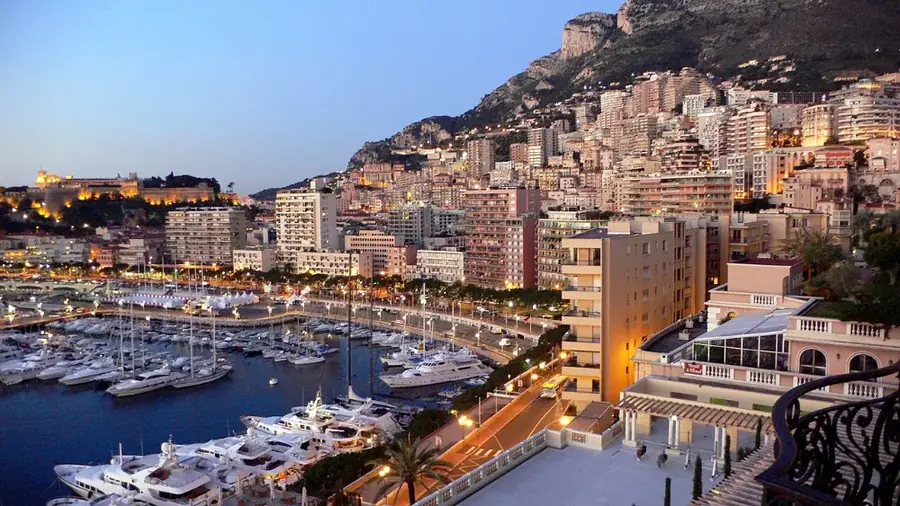
 Residence by investment in San Marino
Overview
San Marino regulates the residence of foreigners through Law 118 of 28 June 2010, as repeatedly amended. Elective residence under article 16-bis is the investment route: the applicant either buys a property for the family home for at least EUR 500,000, of which up to EUR 150,000 of completion or renovation works may count, or makes a non-interest-bearing deposit of at least EUR 600,000 for ten years in San Marino state securities or a fund established by the State, which also carries a one-off tax of EUR 10,000. Applications are filed with the Department of Foreign Affairs against a EUR 1,000 fee and approved by the Congress of State, with a cap of 50 new elective residences per year. The investment must be completed within three months of approval.
Residence in San Marino means genuine habitual residence. Until the status consolidates, ten years after registration in the population register, elective residents must maintain private health cover, cannot take employment in the extended public sector and do not receive State benefits linked to residence. Absences of more than six months, other than for recognised reasons, can lead to revocation. After ten years the residence converts into ordinary registered residence with the related rights. Family members may be added for a one-off payment of EUR 20,000 each, and a provisional permit of up to six months is available while registration is completed.
Ordinary residents pay general income tax (IGR) on worldwide income. Two atypical residences offer alternatives. The regime under article 16-ter applies a 7% substitute tax to foreign-sourced income net of foreign tax, with a minimum of EUR 10,000 and a maximum of EUR 100,000 per tax year, for up to 15 tax periods and within a quota of 100 a year; the September 2026 ratification of Delegated Decree 115/2026 confirmed that the 7% applies even where a tax treaty would otherwise leave the income untaxed. Pensioners from EU countries, Switzerland and listed states can use article 16-quater, with a 6% substitute tax on pensions for ten renewable years. The financial thresholds for pensioners were revised by decrees in November 2024, February 2025 and May 2025, so the figure in force is confirmed at filing.
Entrepreneurs can apply for economic residence. Following the 2026 amendments, the applicant must own at least 51% of a San Marino company and hire one full-time San Marino resident, and must provide a EUR 75,000 guarantee that rises to EUR 150,000 within two years, which can be satisfied through a property purchase, within a quota of 50 a year. Citizenship is a distant prospect: the 2026 reform of Law 114/2000 requires 20 years of continuous residence, Italian at B1 level and a test on San Marino's history and institutions, while removing the former obligation to renounce other citizenships.
Key benefits
- Residence in a stable, independent European republic with an open border to Italy
- Clear statutory investment amounts in property or state securities
- Substitute tax of 7% on foreign income, capped at EUR 100,000 a year
- Preferential 6% tax on foreign pensions for eligible retirees
- Status consolidates into ordinary residence after ten years
- Family members can be included in the same residence
- Dual citizenship now permitted for those who eventually naturalise
Requirements
- Foreign national of full age with a valid passport
- Property purchase of at least EUR 500,000 for the family home, or EUR 600,000 deposited for 10 years in state securities or a State fund
- Preliminary purchase or lease contract conditional on the grant of residence (atypical routes)
- Criminal record and pending-charges certificates from the countries of residence
- Sworn declaration on nationalities, residences in the last five years, convictions and tax compliance
- Private health insurance covering the household until consolidation
- For atypical routes: never previously tax resident in San Marino, with income earned abroad
- Genuine habitual residence in the Republic once registered
Investment options
Elective residence: property
EUR 500,000
Residence by investment (RBI). Purchase of a family home; up to EUR 150,000 of completion or renovation costs may count. Quota of 50 a year.
Elective residence: state securities deposit
EUR 600,000 + EUR 10,000 tax
Residence by investment (RBI). Non-interest-bearing deposit for ten years in San Marino state securities or a State fund.
Atypical residence, preferential tax regime
7% tax, EUR 10,000 minimum
Residence by investment (RBI), income-based. For people with foreign income; substitute tax capped at EUR 100,000 a year for up to 15 tax periods.
Atypical residence for pensioners
6% tax on pensions
Residence by investment (RBI), retiree route. For pensioners from the EU, Switzerland and listed countries; financial thresholds revised in 2024-2025.
Economic residence
EUR 75,000 guarantee, rising to EUR 150,000
Residence by investment (RBI), business route. Majority ownership of a San Marino company and one full-time local hire under the 2026 rules.
Step-by-step process
- 1
Route and tax review
We compare elective, atypical and economic residence against your income, assets, family and current tax residence. One to two weeks.
- 2
Document collection
We gather apostilled civil-status, criminal-record and tax documents with certified Italian translations, all dated within six months of filing. Four to eight weeks.
- 3
Property or contract
We coordinate a preliminary purchase or lease conditional on approval, or arrange the securities deposit with a San Marino bank.
- 4
Filing
The application, fee receipt and sworn declaration are lodged with the Department of Foreign Affairs.
- 5
Congress of State decision
The Congress of State decides within the annual quota; for elective residence the investment is then completed within three months.
- 6
Registration
You declare residence, register in the population register and with the Social Security Institute, and we monitor obligations until consolidation.
Typical documents
- Certified copy of a valid passport and citizenship certificate
- Birth certificate and family-status certificate
- Marriage or civil-union certificate, or certificate of single status
- General criminal record and pending-charges certificates
- Curriculum vitae
- Tax returns or equivalent proof of foreign income
- Preliminary purchase or lease contract, or deposit documentation
- Receipt for the EUR 1,000 filing fee
- Private health insurance policy
How Legal Wealth helps

Legal Wealth guides families through San Marino's residence rules with precision. We test each route against your income profile and objectives, model the 7% and 6% substitute taxes against your current tax position, prepare apostilled and translated files that meet the Department of Foreign Affairs' standards, and coordinate property, banking and health-cover arrangements. Because quotas and thresholds change frequently, we confirm the rules in force before filing and monitor your obligations through to consolidation. Our approach is compliance-first, discreet and bespoke.
Enquire with Legal WealthFrequently asked questions
What is the minimum investment for elective residence?
EUR 500,000 for a property used as the family home, or EUR 600,000 deposited for ten years in San Marino state securities or a State fund, which also carries a EUR 10,000 one-off tax.
How does the 7% atypical regime work?
Foreign-sourced income, net of foreign tax, is taxed at 7%, with a minimum of EUR 10,000 and a maximum of EUR 100,000 per tax year, for up to 15 tax periods.
Do I have to live in San Marino?
Yes. The law requires habitual residence, and absences of more than six months, other than for recognised reasons, can lead to revocation.
Is there a limit on approvals?
Yes. Annual quotas apply: 50 elective residences, 100 under the 7% regime and 50 economic residences, with separate limits for pensioners.
When does residence become permanent?
Elective and atypical residences consolidate into ordinary registered residence ten years after registration in the population register.
Can residence lead to San Marino citizenship?
Only through ordinary naturalisation after 20 years of continuous residence, with Italian at B1 level and a civic test. Since the 2026 reform, other citizenships need not be renounced.
Last reviewed: 2026-10. Requirements, fees and timelines change. Information is general, reviewed on the date shown, and is not legal or tax advice.
Sources
- San Marino Department of Foreign Affairs – Residence permits and residences
- San Marino Department of Foreign Affairs – Consolidated text on the entry and stay of foreigners (9 April 2024)
- Consiglio Grande e Generale – Delegated Decree 22 May 2025 no. 77
- Consiglio Grande e Generale – Committee approval of the naturalisation bill (December 2025)
- IMI Daily – San Marino eases hiring rule for entrepreneur residency (September 2026)