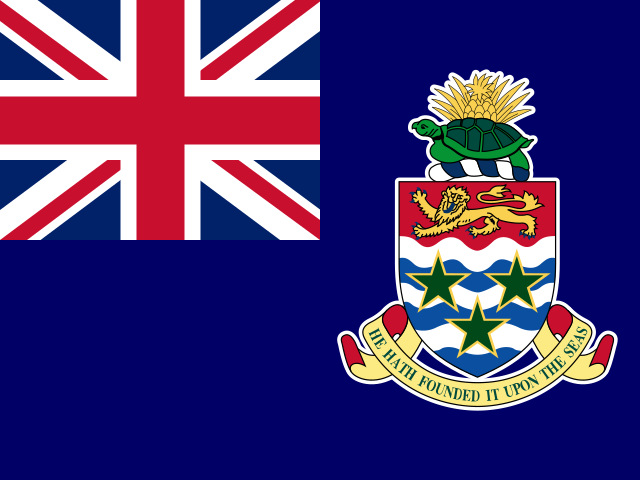
 Family office in the Cayman Islands
Overview
Cayman is chosen less as a place to live than as a neutral jurisdiction for holding, investment and fiduciary vehicles: no direct taxes, English common law with final appeal to the Privy Council, a specialist Financial Services Division of the Grand Court and the deepest offshore funds industry. It fits families who already invest through Cayman funds, who hold assets across several countries, or who want a neutral top holding layer for family branches living in different places. The investment team itself usually sits onshore, in London, New York, Singapore or Dubai, with Cayman holding the vehicles; US-connected families need particular care with US trust, PFIC and CFC rules. The trade-offs are higher professional costs than smaller centres and the need to show that decisions are genuinely taken where the structure claims.
The regulatory question turns on the Securities Investment Business Act (2020 Revision) (SIBA). Until 2020 single family offices were listed among non-registrable persons, so they sat outside CIMA's prudential supervision. The Securities Investment Business (Amendment of Schedule 2A and Repeal of Schedule 4A) Order, 2020, gazetted on 20 August 2020, removed that exemption. SIBA still defines a single family office as an entity or arrangement formed in Cayman by a single family to conduct securities investment business for that family without holding itself out to the public. An SFO is not automatically caught: it must register or be licensed only if it actually carries on securities investment business, such as dealing, arranging, managing or advising on securities, in the course of business. A vehicle simply investing its own assets may fall outside, while an entity managing portfolios for several family members or entities is more likely to be inside. Those within scope can usually be registered persons, rather than full licensees, where they serve group entities, high net worth or sophisticated persons; registered persons must meet minimum director requirements, appoint an MLRO, deputy MLRO and AML compliance officer, and notify CIMA of material changes within 21 days.
The fiduciary layer is typically a private trust company. Under the Banks and Trust Companies Act and the Private Trust Companies Regulations, a PTC that carries on only connected trust business (for settlors and contributors connected by family relationship or group membership, and without soliciting the public) can register with CIMA without a trust licence or prior approval. It must have its registered office at a licensed trust company, at least one natural-person director, the words 'Private Trust Company' or 'PTC' in its name, and file an annual declaration by 31 January. Its shares are often held by a STAR trust, a Cayman trust regime that permits non-charitable purposes and perpetual duration and gives enforcement rights to a named enforcer rather than beneficiaries, or by a foundation company under the Foundation Companies Act, 2017, which needs no members.
Funds legislation also matters. CIMA guidance on the Private Funds Act treats single family offices as non-fund arrangements, so a family vehicle investing family capital does not register as a private fund; once capital is accepted from non-family investors, the Mutual Funds Act or Private Funds Act may apply. The Beneficial Ownership Transparency Act came into force on 31 July 2024 and brought PTCs and many private wealth companies into scope. From 28 February 2025, journalists, civil society organisations and counterparties with a legitimate AML/CFT interest can apply for limited access to beneficial ownership details, subject to protection orders for individuals at serious risk. There is still no public register.
Key benefits
- Tax neutrality: no income, capital gains, inheritance or wealth tax at the level of Cayman vehicles, with statutory tax undertakings available
- Established vehicles for every layer: exempted companies, ELPs, LLCs, foundation companies, STAR trusts and registered PTCs
- Perpetual or long-duration fiduciary structures through STAR trusts, with firewall protection in the Trusts Act against foreign forced-heirship and matrimonial claims
- Seamless integration with the family's investments in Cayman-domiciled hedge, private equity and venture funds
- Registered-person route under SIBA for in-scope SFOs serving group entities or sophisticated persons, lighter than a full licence
- Common-law courts with a specialist Financial Services Division and final appeal to the Privy Council
- No public beneficial ownership register; access limited to authorities and vetted legitimate-interest applicants
Requirements
- Analyse each entity under SIBA: does it deal, arrange, manage or advise on securities in the course of business, and if so for whom? Register or license with CIMA where it does
- For a SIBA registered person: minimum number of directors (registered under the Directors Registration and Licensing Act where required), AML/CFT policies, MLRO, deputy MLRO and AML compliance officer, and notification of material changes within 21 days
- For a registered PTC: connected trust business only, no solicitation of the public, registered office at a licensed trust company, at least one natural-person director, records kept at the registered office and an annual declaration by 31 January
- Maintain beneficial ownership information under the Beneficial Ownership Transparency Act, including persons holding 25% or more, persons with ultimate effective control and, in many cases, those with consent or appointment powers
- File economic substance notifications and, where the entity carries on a relevant activity such as holding business or fund management, meet the substance test or reduced test for pure equity holding entities
- Classify each entity for CRS and FATCA, register with the DITC portal where it is a reporting financial institution and file annual returns
- Apply the Anti-Money Laundering Regulations to source of wealth and source of funds for all settlors, contributors and controllers
- Where outside investors join, assess the Mutual Funds Act and Private Funds Act before accepting any non-family capital
- Keep board minutes and investment committee papers consistent with each family member's home-country tax position
Structure designs
Exempted holding company with an in-house SFO
A Cayman exempted company holding operating businesses and portfolios, with a family-owned office company coordinating advisers and reporting. Suits families whose investment management is done by external, separately regulated managers so that the office itself stays outside SIBA.
SIBA registered person managing family entities
Where the office actively manages or advises on securities for family entities, it registers with CIMA as a registered person rather than seeking a full licence. Suits families with an internal CIO and team who want a clear regulatory status for banks and counterparties.
Registered PTC owned by a STAR trust or foundation company
Registration fee CI$3,500; annual fee about CI$4,057
The PTC acts as trustee of the family's trusts with a board of family members and professionals, while a STAR trust or foundation company holds the PTC shares. Suits families wanting control over trustee decisions and long-term succession.
Exempted limited partnership for co-investments
An ELP with a family-controlled general partner pools capital from different family branches or trusts, with separate capital accounts and a tax undertaking of up to 50 years. Suits private equity, venture and real asset co-investment programmes.
Foundation company as the family's governance hub
A Cayman foundation company with a constitution reflecting the family charter, supervisors and an advisory council, used as holding entity or in place of a trust. Suits families from civil-law backgrounds and for philanthropic or digital asset holdings.
Family fund with outside investors
Where friends, partners or other families invest alongside, a registered private or mutual fund with an independent administrator and auditor. Suits offices moving towards a multi-family model.
Step-by-step process
- 1
Mapping and tax review
Identify family members, residences, citizenships, assets and the home-country tax rules, including CFC, trust and reporting rules, that apply to each. Cayman neutrality only works if those are addressed.
- 2
Perimeter analysis
Decide which entity holds assets, which manages them and which advises, and test each against SIBA, the Mutual Funds Act and the Private Funds Act. This determines whether CIMA registration is required.
- 3
Structure and governance design
Choose the holding, partnership and fiduciary layers, draft the STAR trust or foundation company constitution, PTC articles, family charter and investment committee terms.
- 4
KYC and formation
Complete due diligence with the registered office provider and licensed trust company, then incorporate the exempted company, ELP, foundation company and PTC and apply for tax undertakings.
- 5
Regulatory filings
Register the PTC with CIMA, file any SIBA registered person application, appoint AML officers and file beneficial ownership information with the corporate services provider.
- 6
Banking and operations
Open bank and custody accounts, classify entities for CRS and FATCA, register with the DITC portal where needed, and file economic substance notifications.
- 7
Ongoing governance
Hold board and investment committee meetings, file annual declarations and returns, refresh KYC and review the structure when family members move.
Typical documents
- Certified passports and proof of address for settlors, founders, directors, protectors, enforcers and principal beneficiaries
- Detailed source-of-wealth narrative with supporting evidence such as sale agreements, audited accounts or tax returns
- Source-of-funds evidence for each contribution to the structure
- Organisation chart of existing holdings and the proposed Cayman structure
- Draft trust deed, STAR trust declaration or foundation company constitution and by-laws
- PTC memorandum and articles and directors' consents
- CIMA registration forms and, for a SIBA registered person, AML officer details and business description
- Tax advice memoranda for the home countries of settlors and beneficiaries
- Family charter, investment policy statement and investment committee terms of reference
How Legal Wealth helps

Legal Wealth helps the family and its advisers decide whether Cayman is the right home for the holding, investment and fiduciary layers and how it should sit alongside onshore structures in the countries where family members live. We map the SIBA and funds perimeter before anything is formed, coordinate Cayman counsel, licensed trust companies, administrators and banks, prepare the source-of-wealth file with discretion, and draft governance documents around the family's succession plans. Where family members wish to spend time on the islands, we connect the structure to Cayman residence planning. Our approach is compliance-first, so the structure is built to withstand bank, tax-authority and regulatory scrutiny.
Enquire with Legal WealthFrequently asked questions
Does a Cayman single family office need to register with CIMA?
Only if it carries on securities investment business under SIBA. The specific exemption for single family offices was repealed by an order gazetted on 20 August 2020. An entity that only invests its own assets may fall outside, but one that manages or advises on securities for several family entities is likely to need to register as a registered person or be licensed.
Is a family investment vehicle a private fund?
CIMA's guidance on the Private Funds Act treats single family offices as non-fund arrangements, so a vehicle investing only family capital is generally not a private fund. Accepting money from non-family investors may require registration under the Private Funds Act or Mutual Funds Act.
What does a Cayman private trust company cost and need?
A registered PTC pays CI$3,500 on registration and an annual fee of about CI$4,057. It needs no prior CIMA approval or trust licence, but must undertake only connected trust business, have its registered office at a licensed trust company, at least one natural-person director, and file an annual declaration by 31 January.
What is a STAR trust?
A trust under Part VIII of the Trusts Act that can be for persons, purposes or both, including non-charitable purposes, and can last indefinitely. Beneficiaries have no standing to enforce it unless they are also appointed enforcer; enforcement rests with the named enforcer. STAR trusts are commonly used to hold PTC shares.
Is beneficial ownership information public in Cayman?
No. The Beneficial Ownership Transparency Act, in force since 31 July 2024, requires most entities to keep information through their corporate services provider. Since 28 February 2025 journalists, civil society organisations and counterparties can seek limited access if they show a legitimate AML/CFT interest, and at-risk individuals can apply for a protection order.
Can family members live in Cayman?
Yes, through Workforce Opportunities and Residency Cayman. The 25-year residency certificate for persons of independent means requires an investment of CI$1,000,000 on Grand Cayman, and the certificate of permanent residence requires CI$2,000,000 in developed real estate. A family office structure does not itself confer residence.
Last reviewed: 2026-10. Requirements, fees and timelines change. Information is general, reviewed on the date shown, and is not legal or tax advice.
Sources
- Conyers – Single Family Offices regulation under the Securities Investment Business Law (Sept 2020)
- Walkers – Cayman Islands update on the Securities Investment Business Act
- Bedell Cristin – Single family offices in the Cayman Islands: SIBA and the Private Funds Act
- Mourant – Cayman Islands private trust companies (2026)
- Conyers – Cayman's revised beneficial ownership regime and private wealth structures
- Collas Crill – Cayman beneficial ownership access restrictions and legitimate interest regulations